
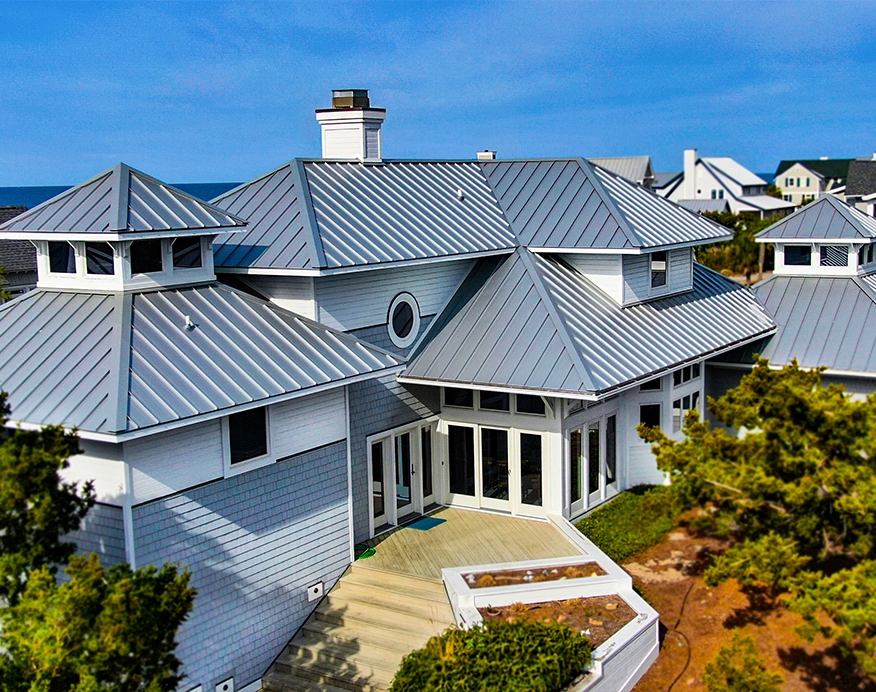
Metal roofing has been a perennial favorite. Many homeowners, however, are reluctant to include it in their houses. The answer is easy. Unfortunately, many of these old superstitions are still there, and frequently the myths cause individuals to second-guess a selection that may serve them well for decades.
Bad information travels rapidly, however. A single misperception may affect a big choice about home remodeling. That means homeowners might lose out on significant advantages because they heard something that was never accurate in the first place. Therefore, understanding the facts matters. If you differentiate between genuine and fake, you have the chance to make decisions based on credible knowledge and not hearsay.
Let’s take a deeper look at some of the greatest fallacies regarding metal roofing and what homeowners actually should know.
Why Metal Roofing Myths Continue to Spread
Many roofing misconceptions originated decades ago when metal roofing materials looked and behaved substantially differently than they do now.
Old metal roofs are common on barns, sheds, and industrial buildings. A lot of people still think of metal roofing as archaic, like goods from decades ago. But today’s metal roofing systems are a whole other story.
Materials now have superior coatings, better installation processes, and greater weather resistance.” But the old ideas persist. A roof is one of the biggest purchases you make in your house; it’s more vital than ever to separate reality from myth.
Myth #1: Metal Roofs Are Extremely Noisy During Rain
This is perhaps the most common myth of all.
Many people imagine sitting inside a home while rain pounds loudly against a metal roof. While that image may sound convincing, it does not reflect how modern residential metal roofing systems work.
In reality, a properly installed metal roof includes:
- Roof decking
- Underlayment
- Insulation
- Interior ceilings
These layers help absorb sound before it reaches the living space.
As a result, the noise level inside a home is often similar to that of other roofing materials. In some cases, homeowners report very little difference at all.
Therefore, choosing a metal roof does not mean turning every rainstorm into a drum concert.
Myth #2: Metal Roofs Attract Lightning
Many homeowners are concerned that a metal roof may increase the likelihood of a lightning strike. However, this is not scientifically accurate. Lightning is drawn to the highest point in an area regardless of what the building is made of.
Two homes side by side, one with a metal roof, the other with asphalt shingles. The material of the roof doesn’t indicate which building lightning could hit.
Actually, metal does not burn. So, if lightning strikes a structure, a metal roof might actually lessen fire issues compared to certain other materials. This means metal roofing is a safer option than many people think.
Myth #3: Metal Roofing Rusts Quickly
When people hear the words “metal roof,” they often think of old, rusty farm buildings. Fortunately, current roofing materials are much different.
Modern metal roofing materials are often coated with:
- Galvanized coatings
- Protective finishes
- Paint systems
- Corrosion-resistant treatments
Such protective coatings help safeguard the metal from moisture and exposure to the environment. Rust generally is not a big problem if you utilize good-quality materials and good installation procedures.
Maintenance is important, of course, with any construction material. The concept that all metal roofs corrode fast is now a thing of the past.
Myth #4: Metal Roofs Make Homes Hotter
At first glance, this myth seems logical. After all, metal can feel hot when exposed to sunlight. Therefore, many people assume a metal roof automatically increases indoor temperatures.
But the truth is far different. A lot of today’s metal roofing systems are intended to reflect a lot of solar energy. This may result in less heat transferred into the residence.
Some metal roofing materials are coated with a reflective material to assist in reducing heat absorption. As a result, homeowners may find:
- Better indoor comfort
- Reduced attic heat buildup
- Lower cooling demands during warmer months
This makes metal roofing a practical option in many climates.
Myth #5: Metal Roofs Are Only for Barns and Commercial Buildings
Years ago, metal roofs were commonly associated with agricultural structures. Today, that picture has changed dramatically.
Modern metal roofing comes in a wide variety of styles, colors, and profiles. Homeowners can choose designs that complement:
- Traditional homes
- Farmhouse-style homes
- Modern architecture
- Rustic homes
- Contemporary properties
Because of these design options, many people cannot even tell a roof is metal from street level. As a result, metal roofing has become a popular choice for residential properties across the country.
Myth #6: Metal Roofing Is Too Heavy
Many homeowners are concerned that their home’s structure cannot handle a metal roof. Surprisingly, metal roofing is often lighter than many conventional roofing materials. Because metal panels are very lightweight, they often put less load on a structure than people assume.
In some situations, metal roofing can even weigh less than certain conventional roofing systems. Therefore, the belief that metal roofs are excessively heavy is often incorrect.
Myth #7: Metal Roofs Dent Easily
Another common concern involves dents. Many people assume a small hailstorm will immediately damage a metal roof.
The truth depends largely on:
- Material thickness
- Product quality
- Weather conditions
- Installation quality
Modern metal roofing systems are designed to survive extensive weather exposure. The impact resistance and durability of many goods are evaluated.
While extreme weather may impact almost any roofing product, today’s metal roofs are frequently designed to withstand difficult circumstances rather well. So, dings aren’t the unavoidable result that a lot of homeowners think.
Myth #8: Metal Roofs Require Constant Maintenance
Every roof requires some level of care. However, metal roofing is often praised for its durability and relatively low maintenance needs.
Routine inspections remain important, just as they are with any roofing material. Basic maintenance may include:
- Checking fasteners
- Inspecting flashing
- Removing debris
- Looking for damage after storms
Beyond that, many homeowners find metal roofing relatively easy to maintain over the years. Consequently, the belief that metal roofs demand constant attention is largely inaccurate.
Myth #9: Metal Roofing Looks Industrial and Unattractive
This myth likely comes from older industrial buildings that used exposed metal panels. Modern residential metal roofing offers far more visual appeal. Today’s options include:
- Standing seam designs
- Textured finishes
- Multiple color choices
- Architectural styles
- Decorative profiles
Many homeowners choose metal roofing specifically because of its appearance. As a result, metal roofing can increase visual appeal rather than detract from it. The outdated industrial look is only one small piece of a much larger picture.
Myth #10: Metal Roofs Cost Too Much to Consider
There is some truth in this myth, but the complete tale is important. Metal roofing might often be more expensive up front than some of the alternatives.
But looking at the upfront price alone doesn’t tell the whole financial story. Many homeowners also think about:
- Longevity
- Durability
- Reduced maintenance needs
- Potential energy savings
- Long-term value
Therefore, evaluating roofing options based solely on installation cost may overlook important factors that affect overall ownership costs.
A roof should be viewed as a long-term investment rather than a short-term purchase.
What Homeowners Gain by Knowing the Facts
When myths disappear, better decisions become possible.
Accurate information allows homeowners to:
- Compare roofing options fairly
- Understand real benefits
- Avoid costly misconceptions
- Feel more confident during planning
- Focus on long-term value
Most importantly, facts help homeowners choose a roof that fits their goals, budget, and expectations.
Instead of relying on rumors, they can evaluate roofing materials based on performance and real-world results.
Signs That Roofing Information May Be Outdated
Not every roofing tip found online reflects current products.
Therefore, watch for information that:
- Relies on decades-old examples
- Uses broad generalizations
- Lacks supporting facts
- Ignores modern roofing technology
- Assumes all metal roofs perform the same way
Because roofing materials continue to evolve, current information is always worth seeking. Reliable guidance helps homeowners avoid making decisions based on myths from another era.
Final VerdictMetal roofing has come a long way from the old misconceptions that still exist today. Facts convey a totally different tale from the myths about noise, corrosion, lightning, looks, weight, and upkeep that persist in discussion. Metal roofing systems nowadays are built for durability, efficiency, and long-term performance. So, taking the effort to learn the facts might help a homeowner make wiser choices and prevent expensive misconceptions. Tri County Pole Barn and Metal Roofing recommends homeowners who are studying roofing alternatives and need reliable information to avoid old beliefs that no longer represent today’s metal roofing systems and instead concentrate on facts, real-world performance, and contemporary roofing technology.

